Types of tent by shape | 2026 guide
- Updated November 3, 2026
- 4 models compared
- 2 min read

When it comes to buying a tent, there are several things to bear in mind. For example, there are several types depending on their shape, which is what we’ll look at here. And although they may all seem to do the same job, they don’t: some types of tent are tied to particular activities. Would you go trekking with a family tent? Of course not: you couldn’t carry more than 12 kg for all those miles. But we’ll talk about that another time.
You could also sort them by capacity, since you’ll find everything from one-person tents to 12-person tents that look like whole campsites.
In this article we look at the different types of tent by shape.
Enjoy!
What types of tent are there?
Here are the different types of tent by shape.
Ridge tents:
Ridge tents are the classic triangular tents, the most recognisable kind, the ones you see in every cartoon. Their main drawback is that the roof is held up by a pole that stands in the middle of the tent. These poles often get in the way when you lay out your mattress, and children can knock them over if they run past. On top of that, not all the space inside is put to good use.
In short, this type of tent has fallen out of use and been replaced by the next type we’re going to look at.

Dome tents:
Dome tents are the most widely used. Instead of being held up by poles like a ridge tent, they have a system of flexible poles that cross over and give them the shape of a turtle shell. They also look like Inuit igloos, which is why they’re sometimes called igloo tents.
Within the dome category there’s a variant called pop-up tents or “2 Seconds” tents, which open by themselves when you throw them in the air. Pop-up tents are practical, light and easy to carry, which makes them ideal for holidays for two. That said, they’re not as easy to fold away as they are to put up: the first time, they can drive you mad!

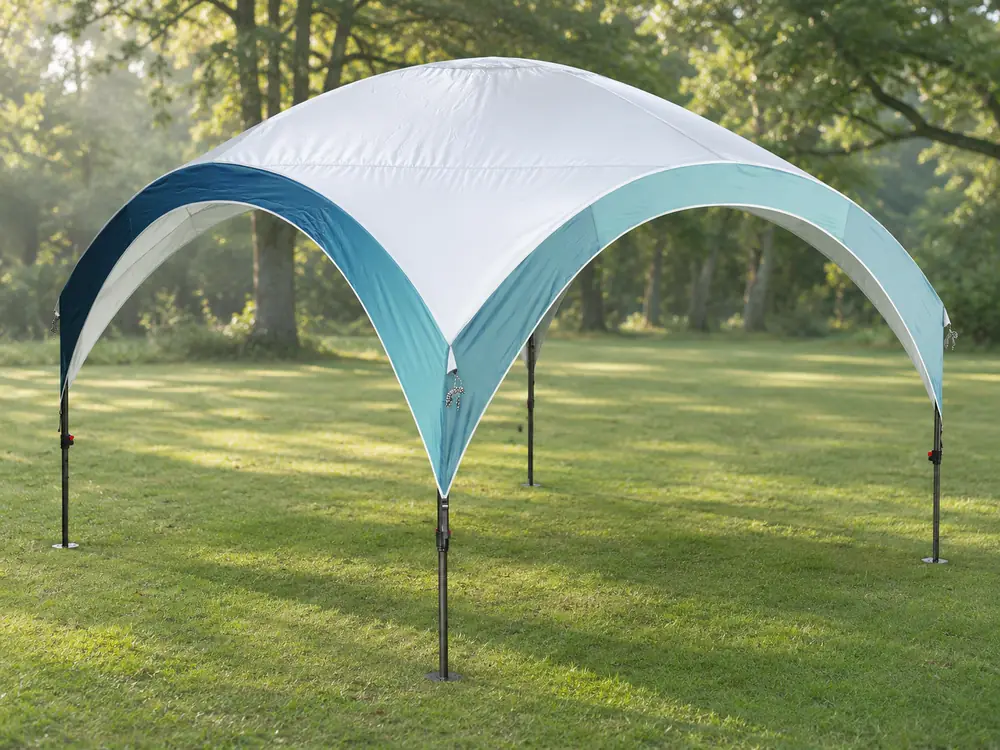
Camping gazebos:
Gazebos aren’t for sleeping in: they’re a roof on a frame of straight poles, usually steel, that gives you shade and a covered area for eating or getting together next to your tent. Some take side walls to keep the wind out. They’re sturdy, but quite heavy and bulky, so you take them by car. The one in the example, the Coleman FastPitch Event Shelter, has a steel frame and is designed to go up quickly.
Family tents:
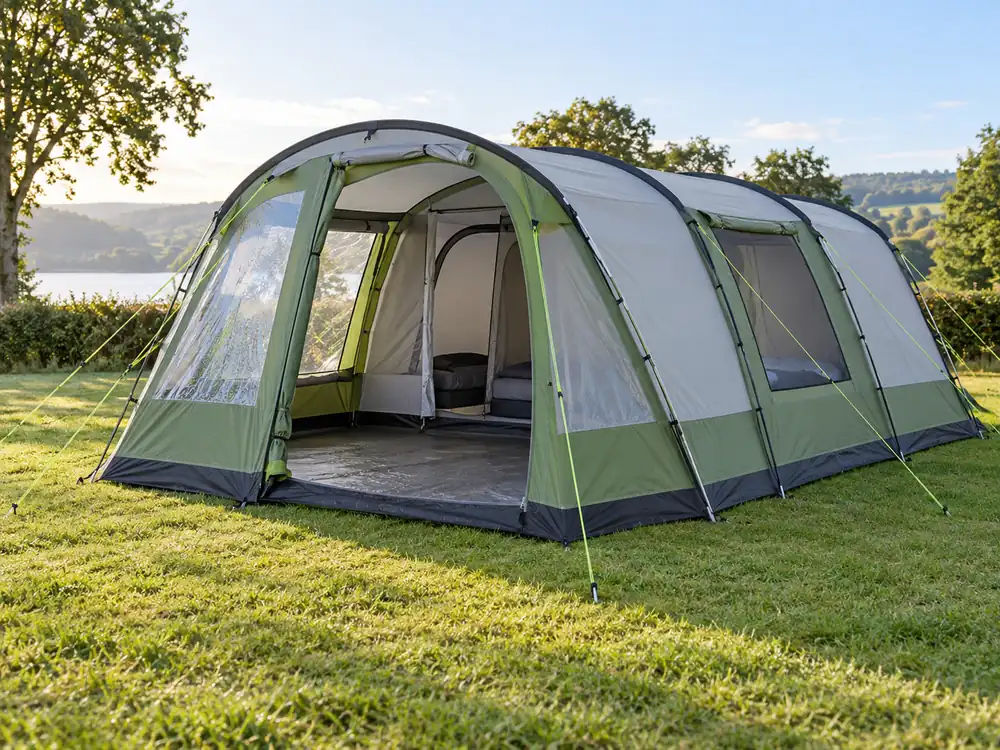
These are large tents with straighter walls than dome tents, very tall and durable, suited to groups or families. They can be divided into bedrooms and compartments so the whole family has its own space inside the tent.
We choose products independently. If you buy through our links, Amazon pays us a small commission at no extra cost to you.