Tent heaters | Best of 2026
- Updated October 30, 2026
- 3 models compared
- 2 min read

When planning an adventure in the outdoors, whether at the beach or in the mountains, one of the basics to think about is the weather you’ll find when you get there. Planning for it in advance means you can go as well prepared as possible, with everything you need to enjoy your camping trip without worrying about temperatures, whether they’re very high or very low.
How do you heat a tent?
A trip in the height of summer is certainly more tempting, but cold weather needn’t hold you back when choosing where and when to go. If you’re worried about how to heat your little portable shelter, don’t be: here are some very good options for tent heating and some really useful tips for coping with the cold.
Heating a tent without electricity
There’s no doubt that how to heat a tent is one of our biggest worries. But there are plenty of tent heating options on the market, at very good prices, that do a great job. Three of the best-rated tent heaters are:
- First, military heaters, which will warm you up quickly.
- Second, gas heaters such as Coleman’s, which can serve tents for six to ten people.
- Third, we recommend Mr. Heater models, which can heat spaces of up to 9.3 square metres.
Safety warning: gas heaters use up oxygen and can produce carbon monoxide, an odourless gas that can kill. Only use one if the manufacturer says it is suitable for indoor use, with the tent well ventilated, away from the fabric, and always switch it off before you sleep. Take a battery-powered carbon monoxide alarm.
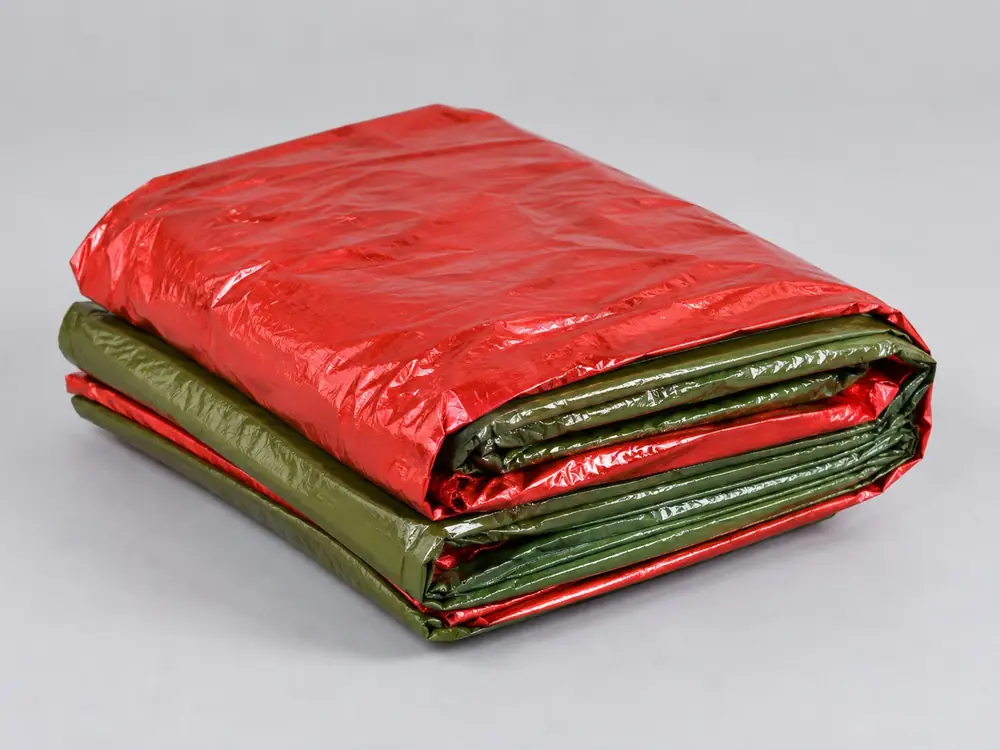
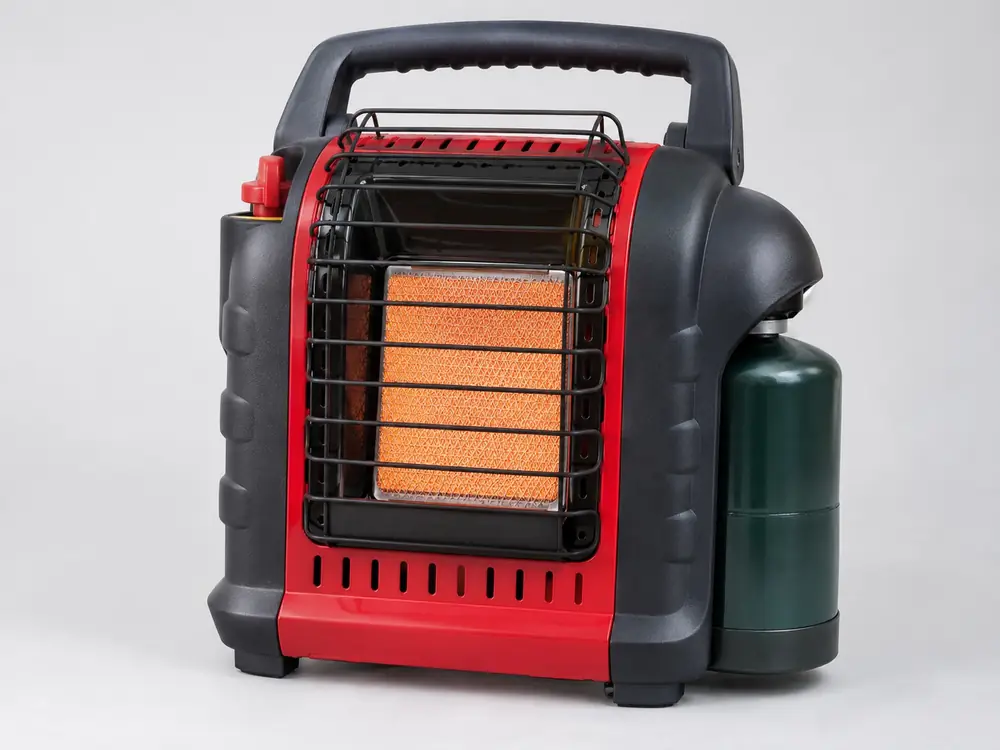

Now that you have several options for heating your tent, you may be wondering: is there anything else you can do to fight the cold? Yes: a few small preparations will definitely make you more comfortable.
First, and most basic of all, choose a tent designed specifically for winter. There’s a wide range on the market whose fabrics and construction make them well suited to low temperatures.
Second, choose a sleeping bag made specifically for the cold, as it will give you the warmth you need when you turn in. This step is especially important because, without a tent heater, it becomes your main defence against low temperatures.
Third, remember to always pitch the tent facing the right way: it should cut the wind and be somewhere puddles can’t form under the groundsheet if it rains.
Last but not least, remember to wear suitable clothing and have plenty of hot drinks that are easy to make, to keep your body temperature up. This is especially important if you don’t have a tent heater, as it will help you fight the cold and avoid, as far as possible, a really uncomfortable night.
We choose products independently. If you buy through our links, Amazon pays us a small commission at no extra cost to you.