Best winter sleeping bags: from 0 °C to below freezing
- Updated November 28, 2026
- 1 model compared
- 4 min read

Winter camping is a joy: empty campsites, clear skies and frosty landscapes. But only if you sleep warm. And that’s where your sleeping bag is the key piece of kit: a three-season bag that’s more than enough in autumn can leave you shivering at four in the morning when the thermometer drops below zero.
In this guide we explain how to choose a winter sleeping bag and compare five models sold on Amazon, from bags designed for nights at 0 °C to one for the high mountains. Temperature and weight figures come from the manufacturer’s specifications or from specialist shops.
Quick answer: which winter sleeping bag to choose
- Nights at -5 °C: Naturehike Snowbird Base 700, a down bag with a comfort rating of -6 °C and a weight of about 1.2 kg.
- Mild winter, around 0 °C: Naturehike Snowbird Pro 400, a down bag.
- If it’s damp: Ferrino Nightec 800 or Naturehike Solora U350S, with synthetic fill.
- High mountains: Naturehike CW1000, with a comfort rating of -11 °C.
- Golden rule: a comfort rating 5 °C below the lowest temperature you expect, and always with a sleeping mat with an R-value of 4 or more.
Winter sleeping bag comparison
Temperatures according to the manufacturer or the shop selling it. We explain each bag below.
| Sleeping bag | Fill | Comfort | Limit | Approx. weight |
|---|---|---|---|---|
| Naturehike Snowbird Base 700 | Down | -6 °C | -13 °C | 1.2 kg (M) |
| Naturehike Snowbird Pro 400 | Down | 0 °C | — | — |
| Naturehike Solora U350S | Synthetic | -3 °C | -6 °C | 1.5 kg |
| Ferrino Nightec 800 | Synthetic | -5 °C | -12 °C | 2.25 kg |
| Naturehike CW1000 | Down | -11 °C | -19 °C | — |
The best winter sleeping bags
1. Naturehike Snowbird Base 700
The good
Temperature: comfort rating of -6 °C and limit of -13 °C, according to Naturehike.
Down: 650 cuin duck down: plenty of warmth for its weight.
Weight: about 1.18 kg in size M, according to the manufacturer.
Worth knowing
Damp: down loses warmth when it gets wet: ventilate the tent and keep it dry.
Why we recommend it
It’s the bag we’d choose for winter camping in most of Spain: it handles nights at -5 °C with room to spare, weighs just over a kilo and packs down small enough to carry in your rucksack.
2. Naturehike Snowbird Pro 400
The good
Temperature: comfort rating of about 0 °C according to Naturehike.
Down: light and compressible.
Mummy shape: with an adjustable hood around the face.
Worth knowing
Below freezing: it falls short on frosty nights.
Why we recommend it
For coastal or low-altitude campsites between November and March, where nights hover around 0–5 °C. Lighter and cheaper than the Base 700, and it also works in spring and autumn.
3. Naturehike Solora U350S
The good
Temperature: comfort rating of -3 °C and limit of -6 °C, according to Naturehike’s specifications.
Damp: synthetic fill keeps you warm even if it picks up some moisture.
Hood: with a drawcord to close it around the face.
Worth knowing
Weight: about 1.5 kg: more than a down bag with the same temperature rating.
Why we recommend it
For northern Spain and any damp area, where condensation wets the bag overnight. Cheaper than down and easier to wash.
4. Ferrino Nightec 800
The good
Temperature: comfort rating of -5 °C and limit of -12 °C, according to the shop Alpinstore.
Synthetic: copes well with damp.
Brand: Ferrino, founded in Turin in 1870, a benchmark in mountain gear.
Worth knowing
Weight: about 2.25 kg: one for travelling by car or campervan.
Bulk: it takes up a fair bit of room in a rucksack.
Why we recommend it
A sturdy synthetic bag for winter camping with the car close by, in a campervan or in cold mountain huts. It’s heavy, but it’s very warm and doesn’t need the careful handling that down does.
5. Naturehike CW1000
The good
Temperature: comfort rating of -11.1 °C and limit of -18.9 °C, according to Naturehike.
Down: excellent warmth for its weight.
Worth knowing
Use: too warm for a normal winter campsite.
Down: it needs protecting from damp and condensation.
Why we recommend it
For bivvying and camping in the high mountains in snow, where nights drop below -10 °C. For most campsites you don’t need this much sleeping bag.
How to choose a winter sleeping bag
These are the things we look at in a sleeping bag for the cold.
The comfort temperature, with a margin
Look at the comfort temperature (EN ISO 23537 standard), not the extreme one, and choose one about 5 °C below the lowest temperature you expect. If you’ll be sleeping at -2 °C, look for a comfort rating of -7 °C. We explain it in detail in our sleeping bag guide.
Down or synthetic in winter
- Down: more warmth per gram and more compressible. It’s the best option for dry cold and for carrying on foot. It loses warmth if it gets wet.
- Synthetic: heavier and bulkier, but it stays warm when damp, dries faster and is cheaper. Better for damp areas or if you camp with the car alongside.
Details that make a difference
- Mummy shape with a hood that closes around the face.
- Thermal collar at shoulder height, so the warm air doesn’t escape.
- Full-length zip with a draught baffle, so the cold doesn’t get in through it.
- Footbox that’s roomy and well filled, as that’s where you feel the cold most.
A sleeping bag can’t work miracles on its own
In winter the cold comes mainly from the ground: you need a sleeping mat with an R-value of 4 or more. A sleeping bag liner adds a few degrees, and sleeping in dry clothes, a hat and socks helps a lot. You’ll find all the tips in how to stay warm in a tent.
Care and storage
Air it every morning so the moisture from your body dries out. At home, store it loose, in a large cotton bag or hanging up, never compressed: the fill loses loft and keeps you less warm.
Frequently asked questions
A comfort rating about 5 °C below the lowest temperature you expect. For nights at 0 °C, a bag with a comfort rating of -5 °C; for the high mountains, -10 °C or lower.
Down gives more warmth for its weight and is better for dry cold and for carrying on foot. Synthetic copes better with damp and is cheaper.
Down bags for -5 °C weigh around 1–1.5 kg. Equivalent synthetic bags, from 1.5 to 2.5 kg.
You’ll be too hot, although you can use it unzipped as a duvet. If you camp all year round, a three-season bag with a liner added in winter is a better choice.
Almost always because of the ground: without an insulating sleeping mat with an R-value of 4 or more, the cold comes through the bag. Damp clothes and skipping dinner also play a part.
Yes, in dry clothes that aren’t too thick: a thermal layer, socks and a hat. If you pack the bag tight with lots of clothes, the fill gets squashed and keeps you less warm.
Other guides you might like
- Best sleeping bags: the complete guide to choosing one.
- Self-inflating sleeping mat: the insulation your sleeping bag needs.
- How to stay warm in a tent.
- Best double sleeping bags.
 Best luxury tents
 Best Large Camping Tents of 2026
 Best cheap tents of 2026
 Best camping tents
 Best family tents of 2026
 Best tents for kids
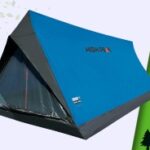 Best ridge tents
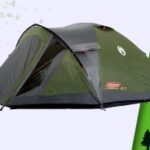 Best dome tents of 2026
 Best tipi tents
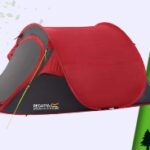 Best 2 Seconds pop-up tents
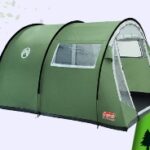 Best tunnel tents
 Best camping gazebos
 Best inflatable tents
We choose products independently. If you buy through our links, Amazon pays us a small commission at no extra cost to you.